Handheld Tinkering
Two handhelds, four Linux builds and a 3D-printed grip: taking the R36S and RG353V apart until they feel like machines worth holding.
Everything by hand: flashing, partitioning, teardown and modification, 3D printing, shooting and writing.
Two controllers and a cast to the living-room TV, playing Half-Life with my father. This thing was always a small computer, not just a game console.
The saves came out of a Flash launcher a friend wrote, the buttons were remapped, and a new save was written. Running that childhood game end to end on a handheld was worth the effort.
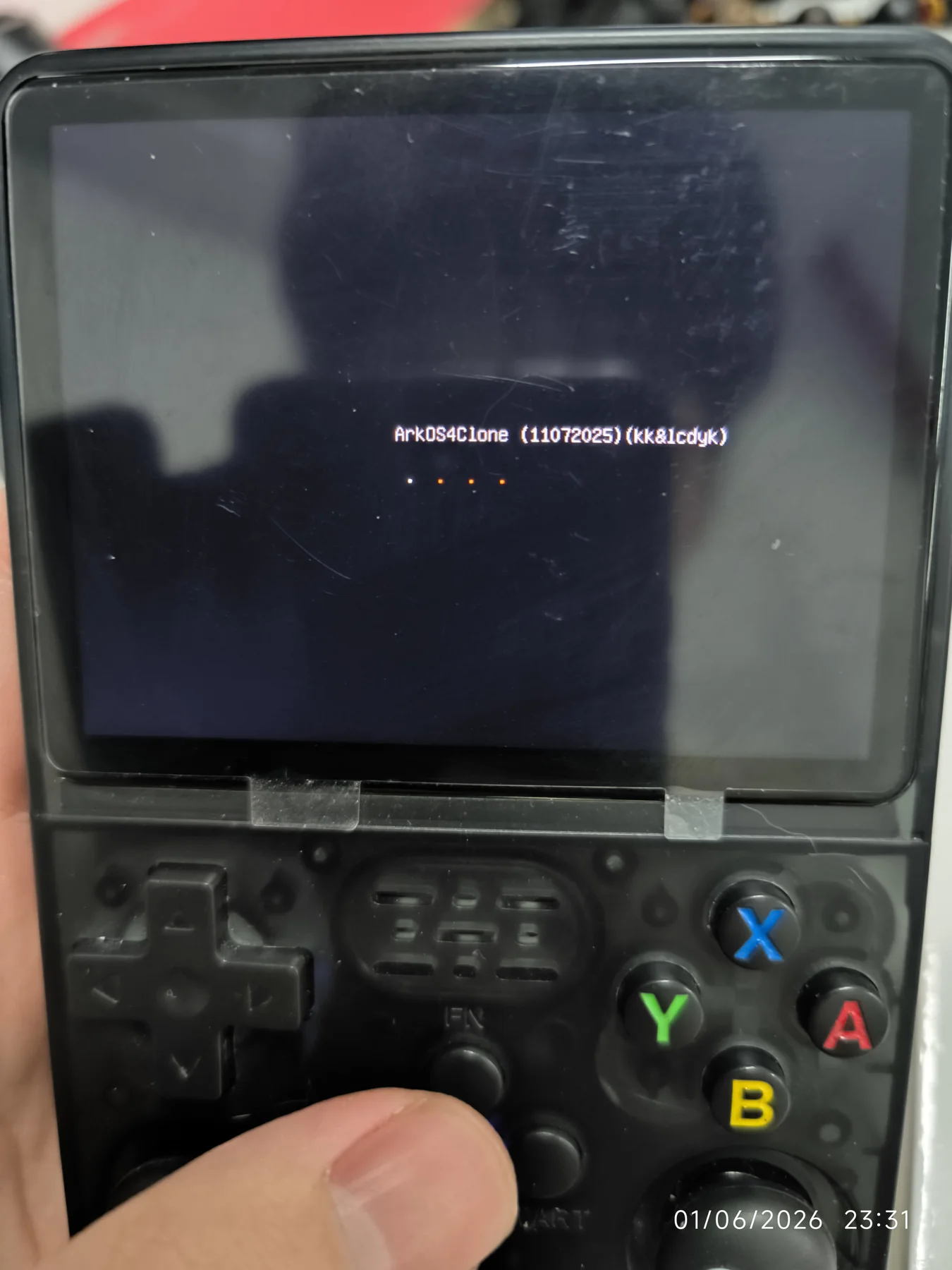
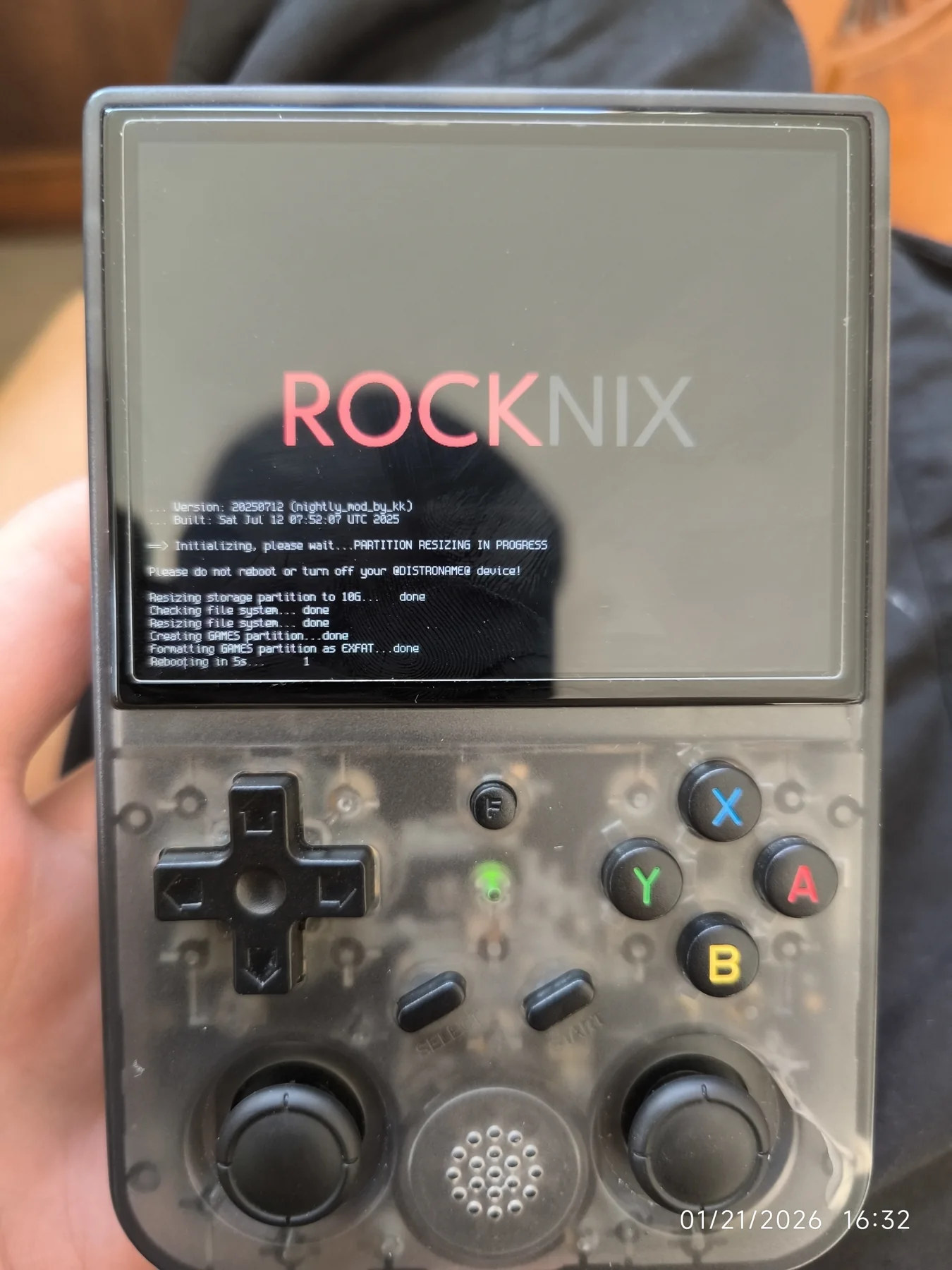
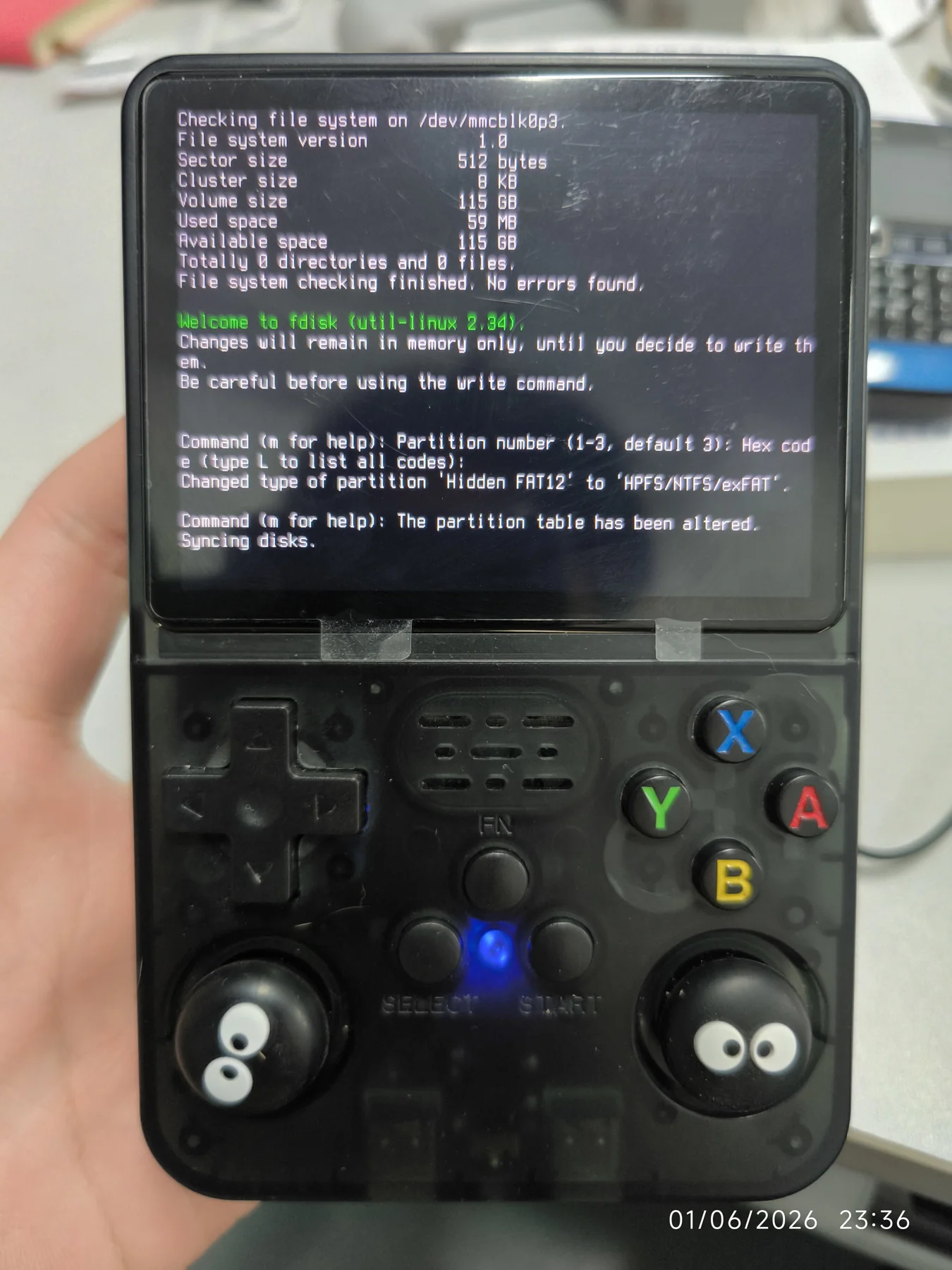
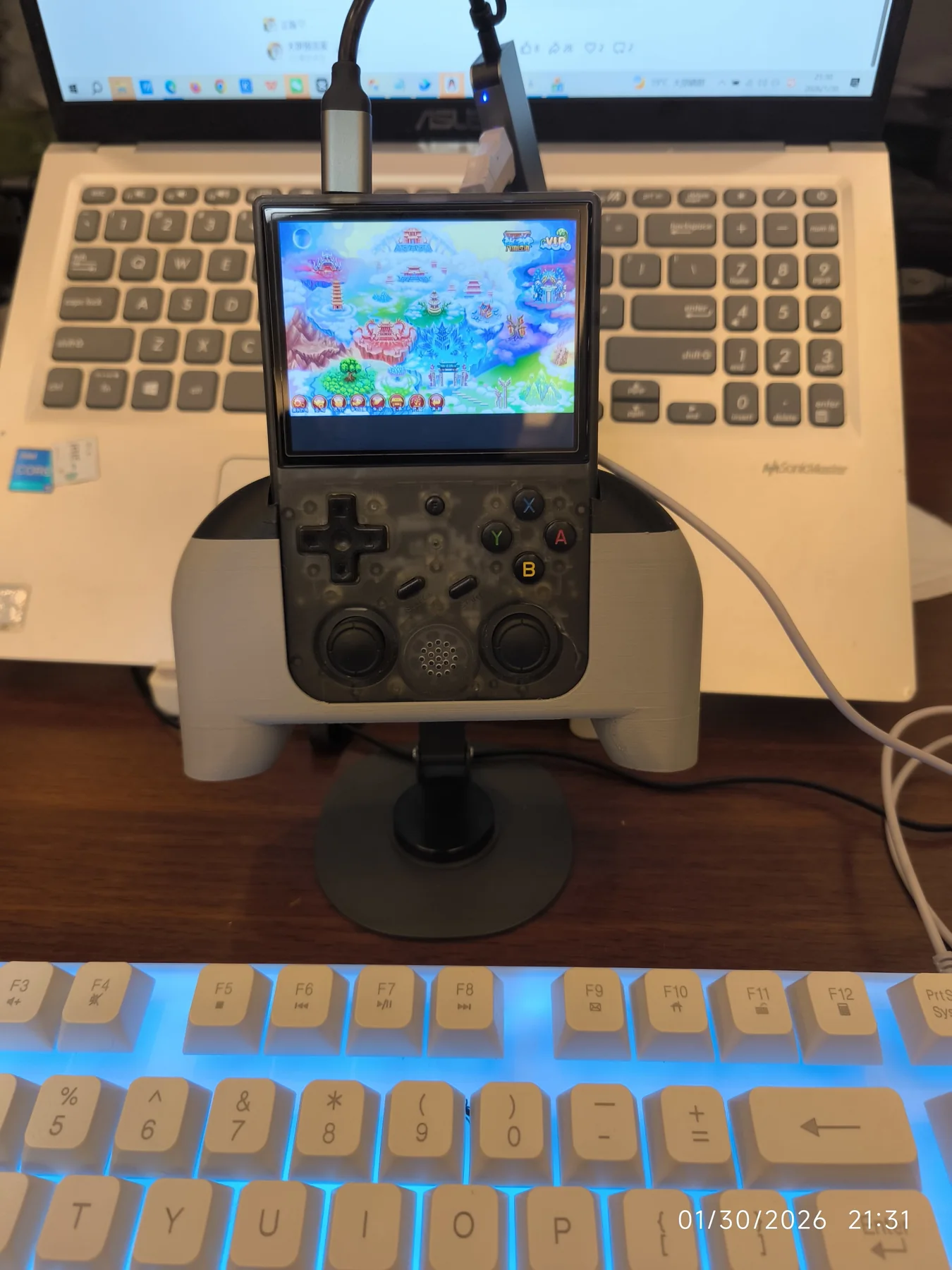
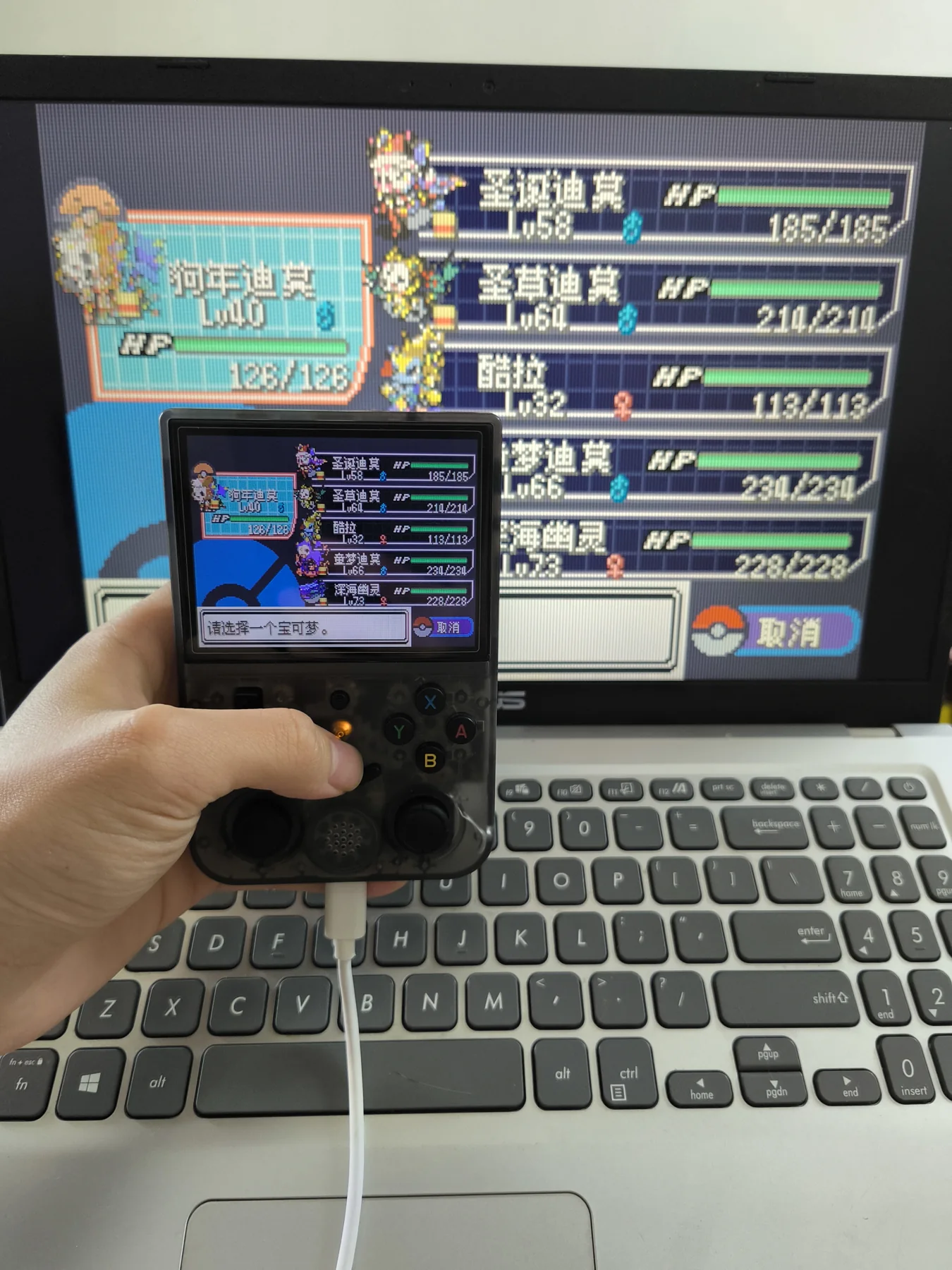
I started with handhelds last September and could not tell a “clone handheld” from an Android TV box. Then I flashed one system after another — EEOS, ArkOS, RockNIX, DarkOS — and realised they are all trimmed-down Linux. The fun moved from playing games to changing the machine.
Two machines, both in use
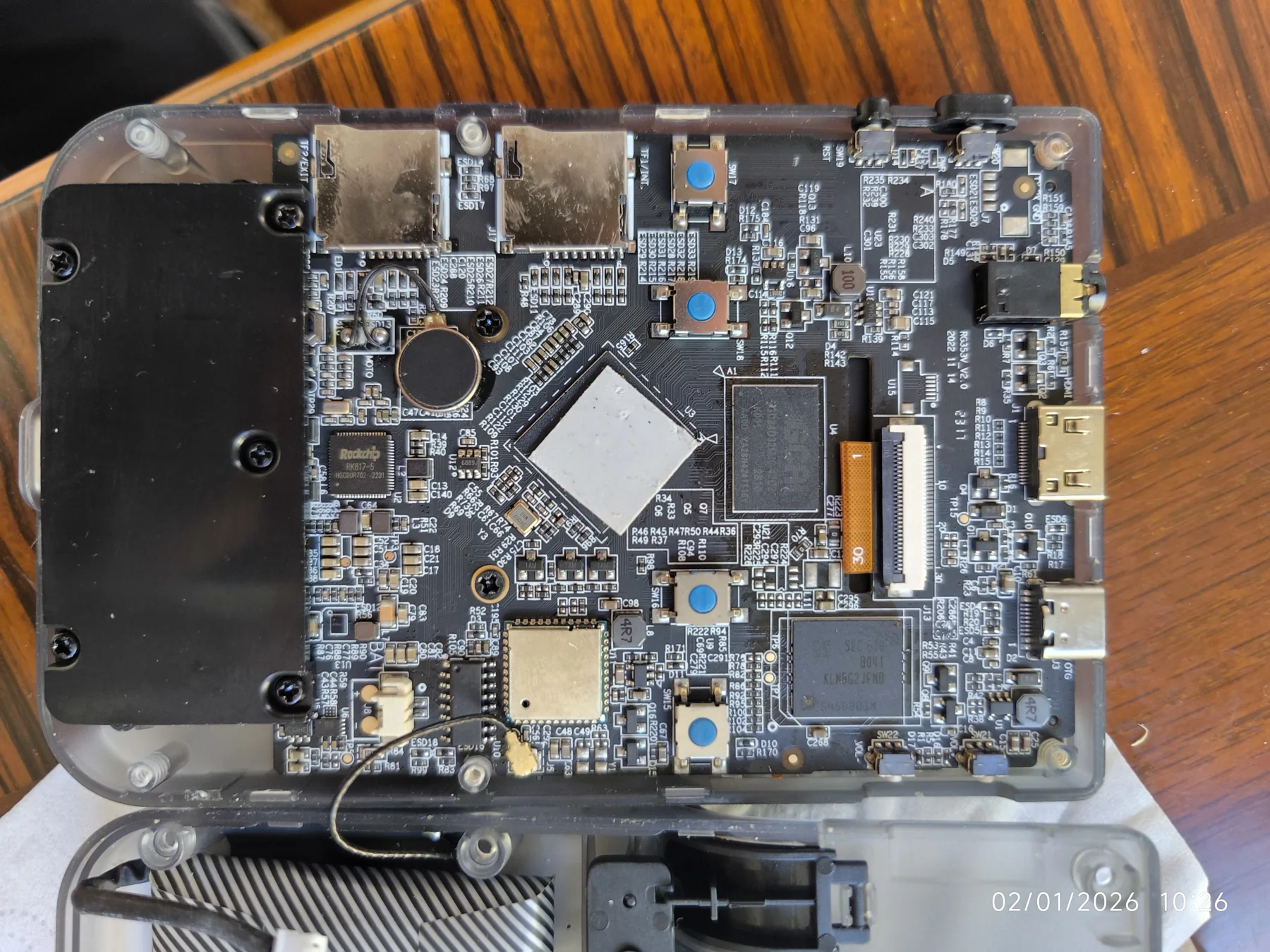
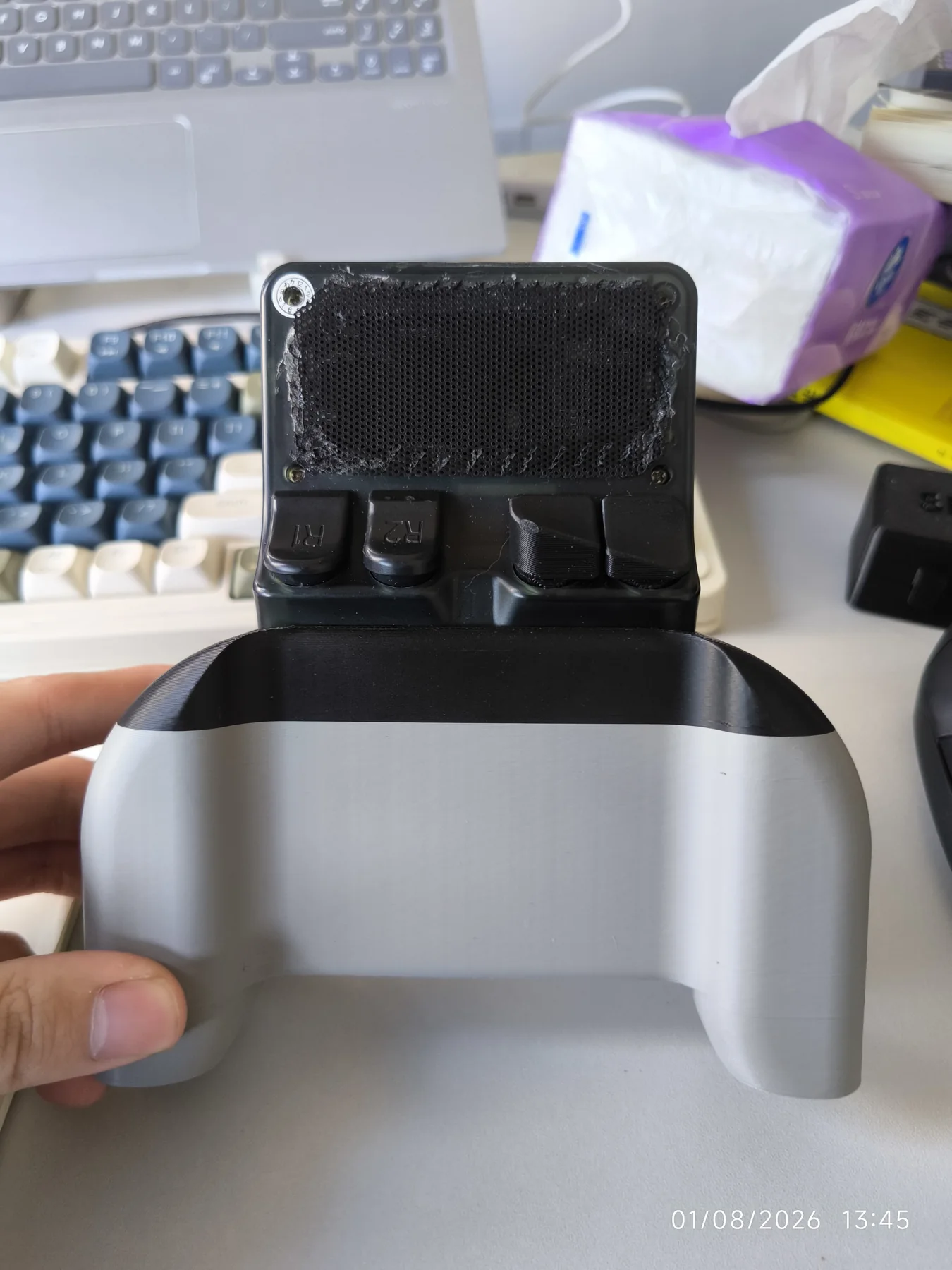
Two devices today. The R36S got a 3D-printed grip, a shoulder-button modification and a new back shell, and finally feels built to be held; the RG353V was opened to look at the board, repartitioned with fdisk, given its own boot scripts, and now sits under the TV as a small console with a controller. The games still matter: the 造梦西游 saves were pulled out of a Flash launcher a friend built and run on the handheld, and the GBA Pokémon ROM hack runs a full team from one evolution line.
Experiments describe their actual environment and scope. Check the linked source for implementation details, license, current support and reproduction steps.
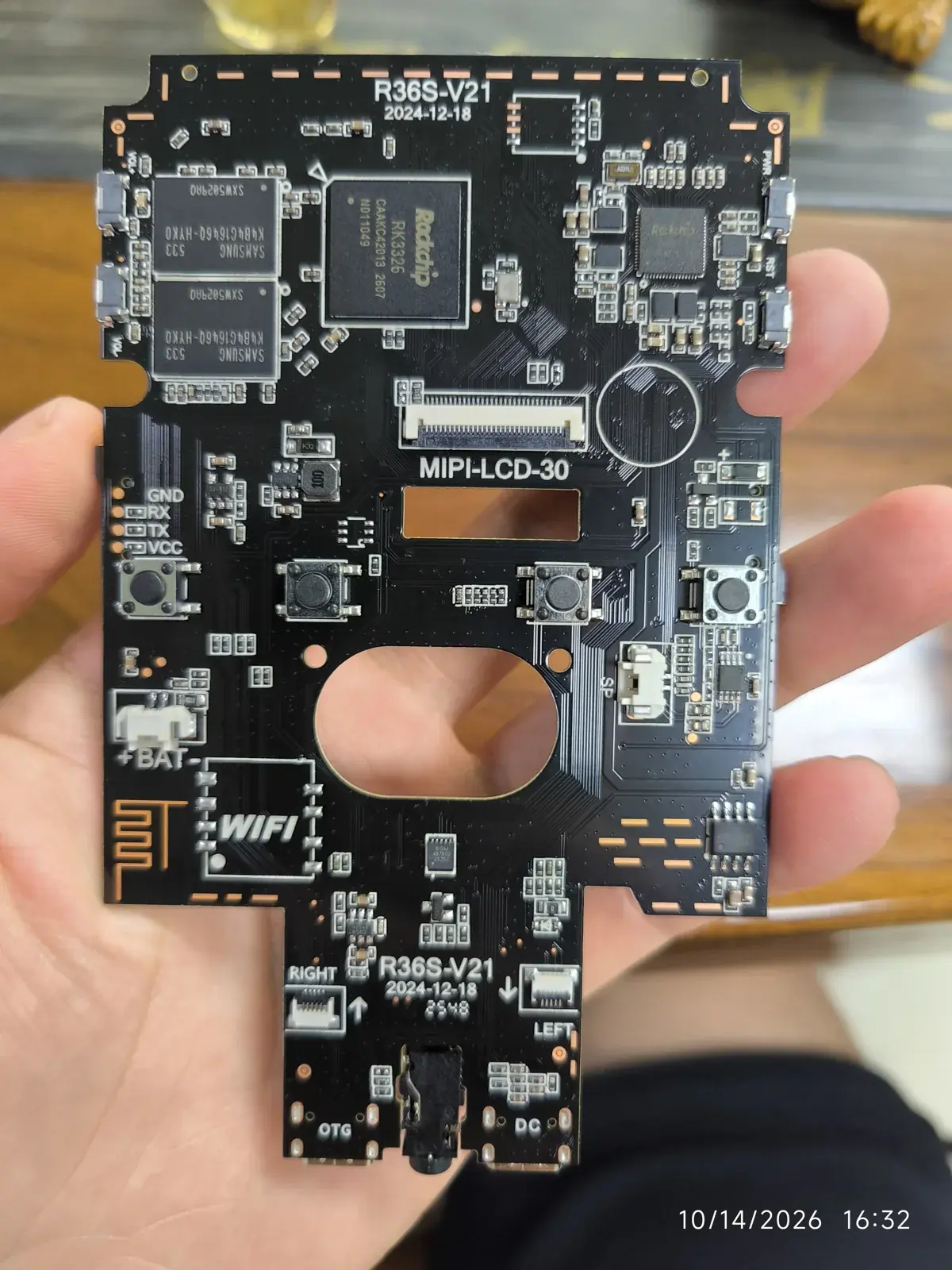 独立站 · Journal
R36S / r36s.space
An independent R36S handheld shop and technical journal covering board identification, setup, SD cards and save files.
↗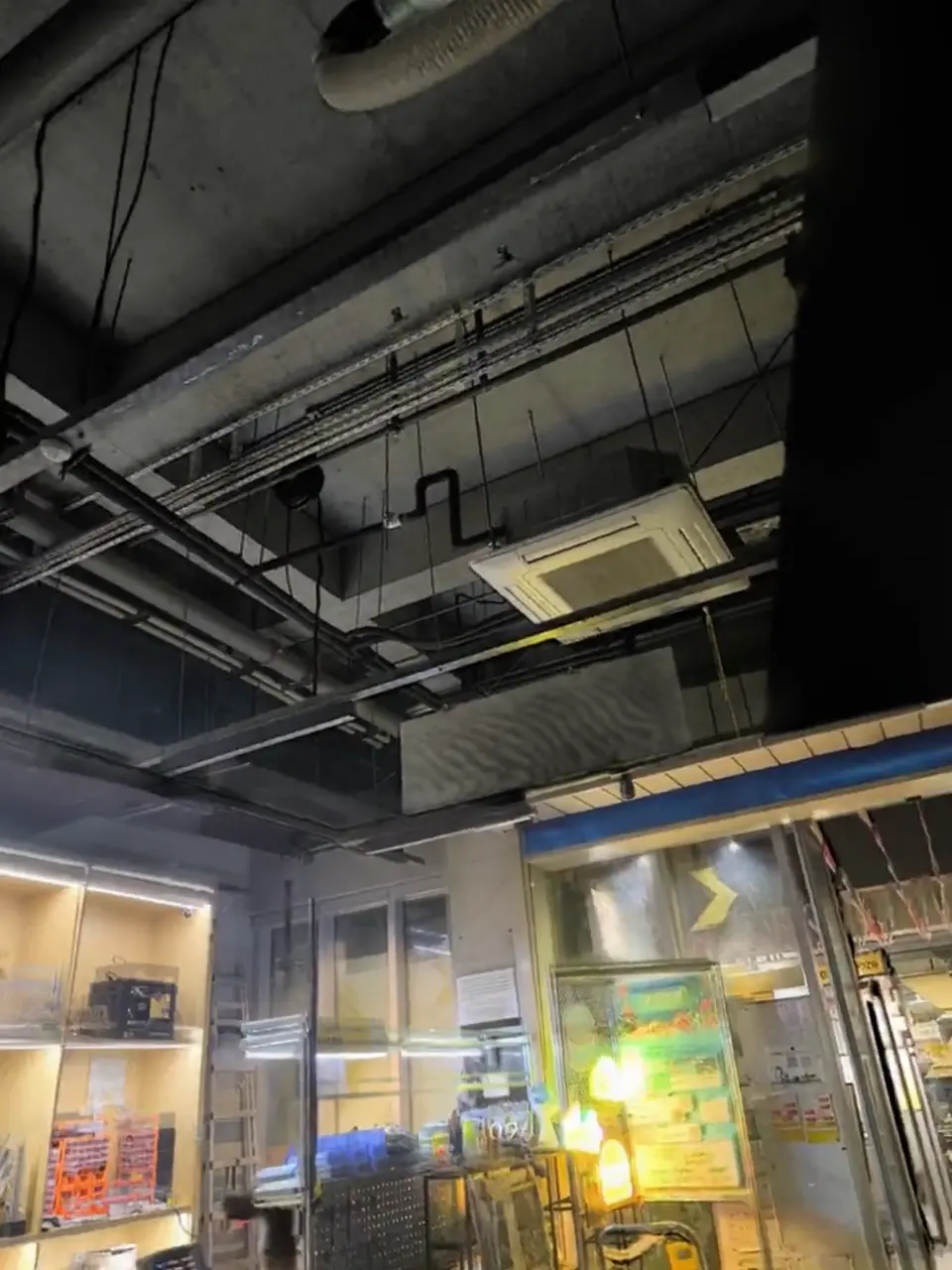 三维重建实验
World Model Playground
Reconstructing a makerspace scene and exploring camera views and browsable 3D environments.
↗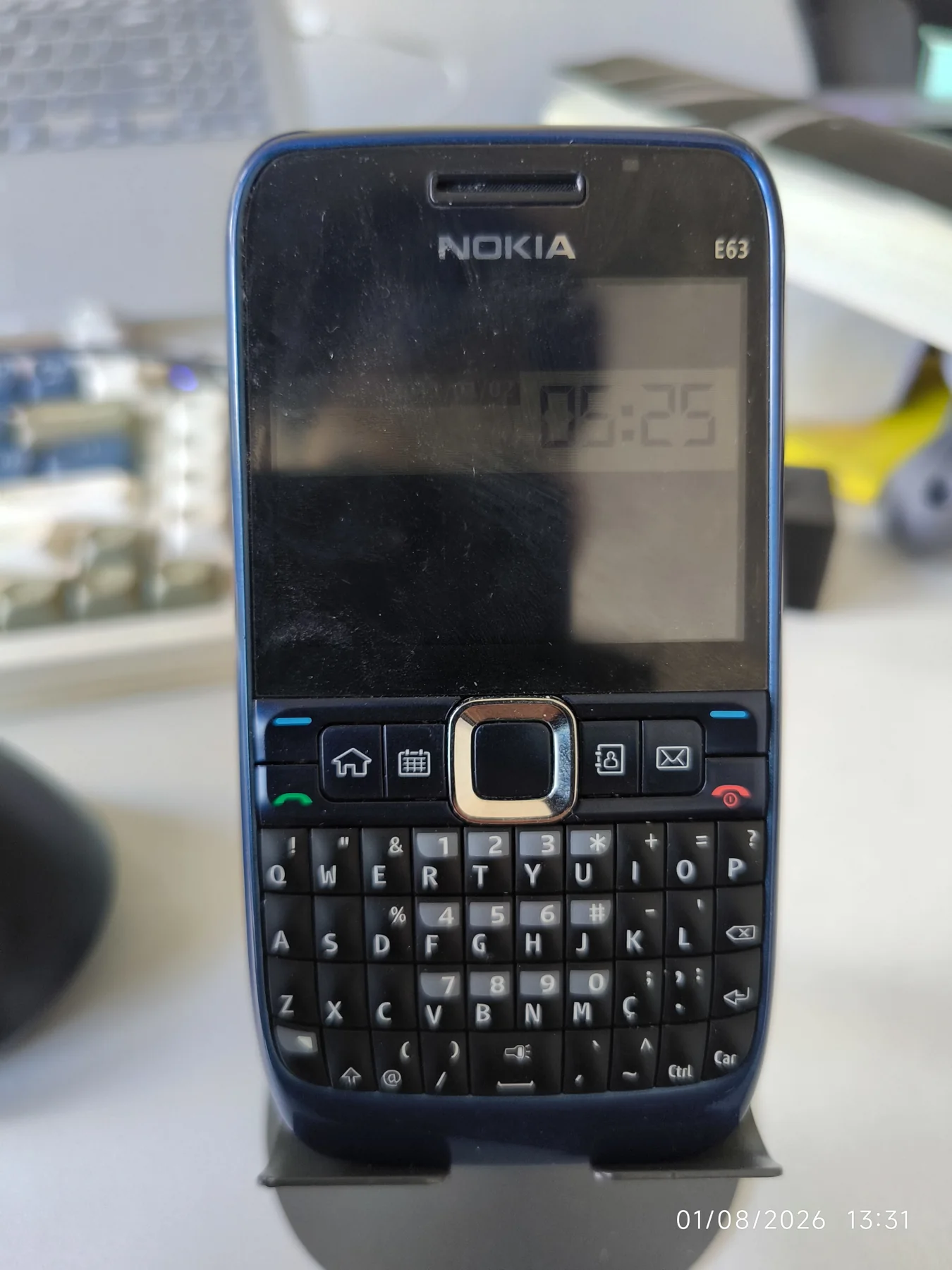 Nokia · Symbian · Everyday Carry
Classic Phones
A Nokia E63 and E72i back in daily use for TV, music and Bluetooth earphones — hardware from a decade ago that still does the job.
↗